What Makes a Fabric 'Luxury'? A Simple Guide
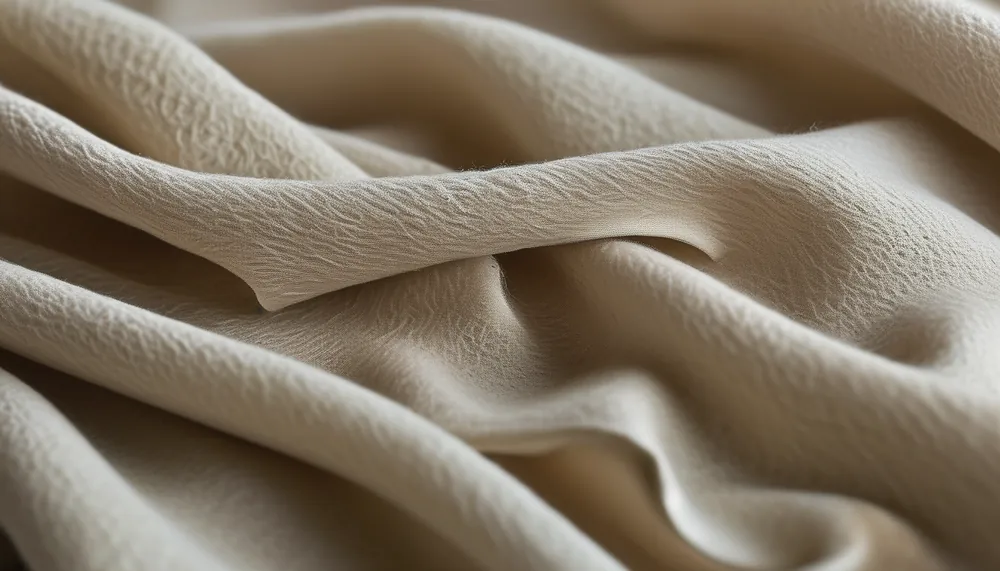
Quick Answer: A fabric earns the word “luxury” through quality, not price or a designer label — it comes down to premium natural fibers, a soft “hand” (how it feels to the touch), beautiful drape, durable construction, and breathability. You can learn to spot all five in under a minute in a fitting room.
You pick up two sweaters that look almost identical on the hanger. One costs $40, the other $220. You run your hand over both, and somehow you already know which one is which before you check the tag. That instinct is real — and it’s teachable.
What actually makes a fabric “luxury”?
“Luxury” gets thrown around constantly in fashion, but when it comes to fabric, it means something specific — and learning to recognize it helps you buy pieces that look better, feel better, and last far longer. True luxury fabric isn’t defined by a label on the collar. It’s defined by the quality of the material and how it’s made.
Luxurious fabrics feel better against your skin, drape beautifully instead of hanging stiff, wear well for years instead of months, and usually come from premium natural fibers. Learning to spot these qualities means you can find genuine value at almost any price point — substance is the real luxury, not the logo.
Once you’ve trained your hands to recognize it, you’ll start noticing quality (or the lack of it) within seconds of touching a garment, long before you flip the tag over to check the price.
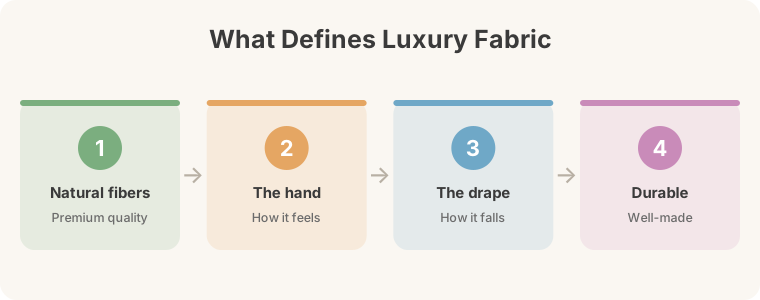
What are the five signs of a luxury fabric?
1. Premium natural fibers
Many luxury fabrics come from high-quality natural fibers — cashmere, silk, fine merino wool, quality cotton and linen. These fibers feel wonderful and perform beautifully in a way synthetic blends usually can’t match.
2. How it feels (the “hand”)
Luxury fabric has a lovely “hand” — the industry term for how it feels to the touch. It’s soft, smooth, and substantial, never scratchy or flimsy. Your fingers can usually tell quality within 2-3 seconds of touching it.
3. How it drapes
Quality fabric drapes and moves beautifully, hanging elegantly rather than looking stiff or boxy. Hold a hem up and let it fall — cheap fabric springs back or hangs like cardboard, while luxury fabric flows.
4. Durability and construction
Luxurious fabrics are well-made and durable — tight weaves, quality finishing, and construction that holds up over years, not seasons. Longevity is part of the value; a $200 piece worn for 10 years costs less per wear than a $40 piece replaced every year.
5. Breathability and comfort
Fine natural fabrics tend to be breathable and comfortable, regulating your body temperature and feeling good against skin all day, instead of trapping heat the way a lot of synthetic fabric does.
What Nobody Tells You About “Luxury” Labels
- Price and quality don’t always match. Plenty of expensive pieces use mediocre fabric propped up by a logo, while some mid-range brands use genuinely excellent material.
- “Dry clean only” isn’t a quality signal. It just means the care instructions are conservative — plenty of luxury natural fibers can be hand-washed carefully.
- The fiber content tag tells you more than the price tag. A 100% cashmere sweater at a mid-tier price often beats a “cashmere blend” at a designer one.
- The real tell is durability, and it takes time to prove itself — which is exactly why cost-per-wear, not the sticker price, is the number that matters most.
Quick Questions About Luxury Fabric
Is cashmere always a luxury fabric?
Cashmere is a premium natural fiber, but quality still varies a lot by grade — a thin, pilly cashmere sweater from a discount blend can feel worse than a well-made merino wool piece. Fiber type is a starting point, not a guarantee, so always feel and inspect the actual piece in front of you.
How can you tell fabric quality in a store?
Feel it first, check the fiber content on the tag, and watch how it drapes when you hold it up — those three checks take under a minute and tell you almost everything price alone won’t.
Is expensive fabric always worth it?
Not automatically. It’s worth it when the extra cost buys you real durability, a better hand, and years of wear — which is why checking construction and fiber content matters more than checking the price tag alone.
Do luxury fabrics need special care?
Often yes, but not always drastically — many quality natural fibers do best with gentler washing, lower heat, and occasional professional cleaning. Check the care label, but don’t assume “luxury” automatically means “high-maintenance.”
TL;DR
- Luxury fabric is about quality, not price or logo
- Look for premium natural fibers: cashmere, silk, merino wool, quality cotton and linen
- Check the “hand” — soft, smooth, substantial, never scratchy
- Good fabric drapes elegantly instead of hanging stiff
- Durable construction and breathability round out genuine quality
- Cost-per-wear, not sticker price, is the number that actually matters
This article is for general styling and informational purposes only. Fit and sizing vary by brand.
Keep Reading
Style guidance in this article is general. Fit, fabric behaviour and care vary by garment and maker — always check the care label and size guide for the specific piece you own or are considering.