Silk vs. Linen: Which Luxury Fabric Actually Survives a Heatwave?
Quick Answer: For an actual heatwave, linen wins — it’s more breathable, wicks moisture, and dries fast, which is why it’s been the go-to hot-climate fabric for thousands of years. Silk feels cooler to the touch and looks more elegant, but it doesn’t handle sweat well, so save it for a few controlled evening hours rather than an all-day scorcher.
Two fabrics get called “luxurious” more than any other in summer: silk and linen. But when the thermometer climbs into the 90s, only one of them is still going to love you back by 3pm.
So let’s settle it — not with marketing fluff, but with how they actually behave when you’re standing on a hot sidewalk wishing you’d made a different choice this morning.
Why compare these two fabrics specifically?
Both are natural fibers with a serious reputation, but they earned it in totally different ways. Silk whispers elegance; linen shouts effortless. They feel completely different against your skin, and that difference matters most exactly when it’s hottest outside.
How does silk actually perform in the heat?
Real silk is a genuine surprise — it feels cool to the touch and drapes like liquid, and it’s naturally temperature-regulating, which is why silk slip dresses feel so good on a warm evening. The catch is sweat. Silk and sweat are not friends: water marks, dry-clean-only tags, and that “I panicked at brunch” stain are all real risks once you start actually perspiring in it. Silk is a dinner date fabric, not a walk-around-all-day-in-95-degrees fabric. Silk wins when you want elegance for a few controlled hours — a dinner, an event, an evening out where you’re mostly sitting in air conditioning.
How does linen actually perform in the heat?
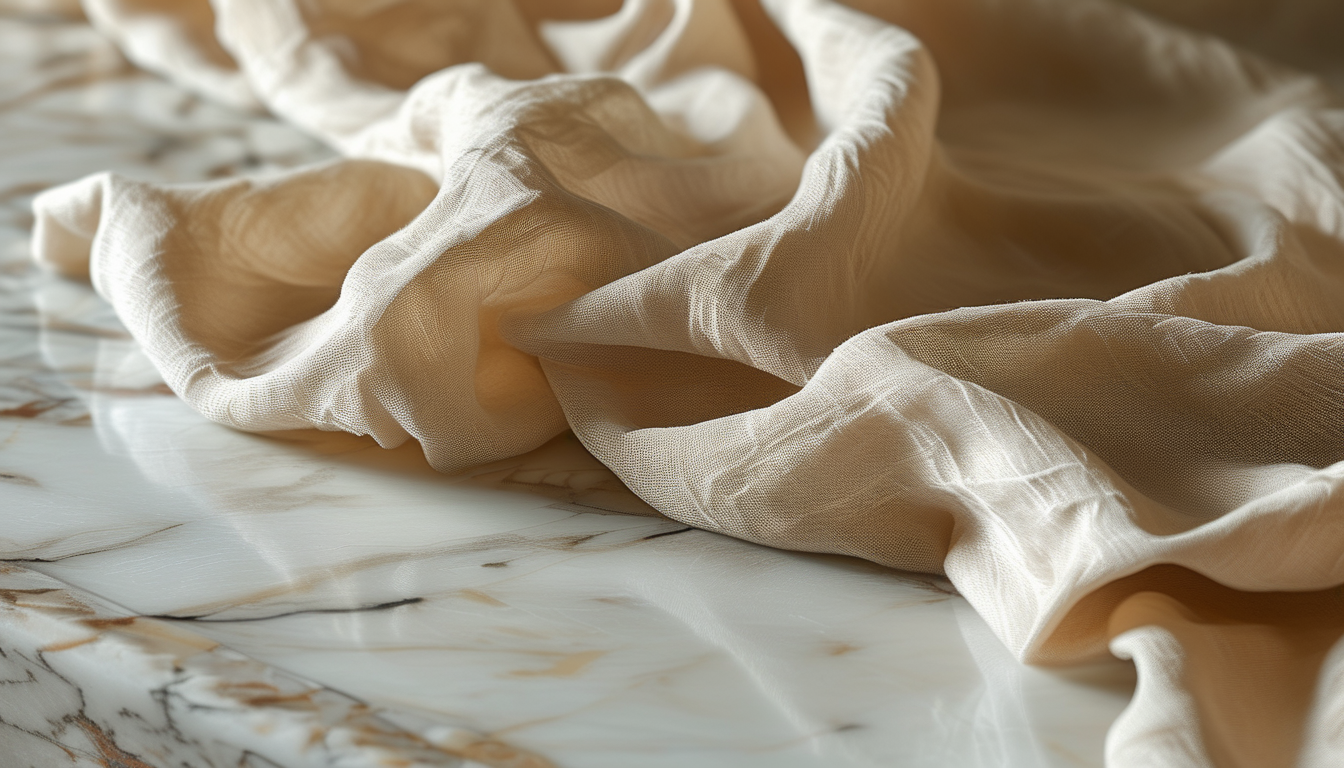
Linen is the opposite personality entirely. It’s breathable to a fault, wicks moisture away from your skin, and dries fast — which is precisely why it’s been the go-to hot-climate fabric for literally thousands of years, long before anyone invented air conditioning. Yes, it wrinkles, sometimes within the first 20 minutes of wearing it. But here’s the reframe: on linen, wrinkles read as “relaxed,” not “messy.” That rumpled look is the whole point — lean into it instead of fighting it. Linen wins when you’re out in the actual heat — travel, errands, long lunches, anything involving a real sidewalk and real sun.

What’s the head-to-head comparison?
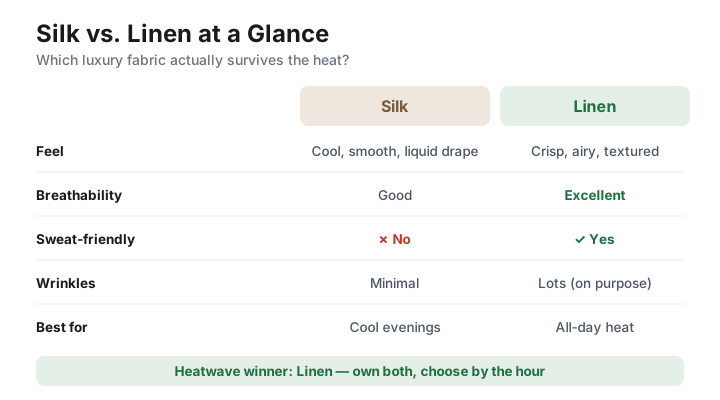
| Silk | Linen | |
|---|---|---|
| Feel | Cool, smooth | Crisp, airy |
| Breathability | Good | Excellent |
| Sweat-friendly | No | Yes |
| Wrinkles | Minimal | Lots (on purpose) |
| Best for | Evenings | All-day heat |
Here’s the whole comparison in one look:
So which one actually wins a heatwave?
For an actual heatwave — the kind where you’re outside and moving for hours, not just walking from car to restaurant — linen takes it, easily. It’s built for exactly this. Silk is the showpiece you save for a cool, calm evening where you won’t ask too much of it (or sweat through it by accident, which, again, gym-buddy honesty here, happens to the best of us).
Myth vs Fact
Myth: Silk is too delicate for summer entirely and should just stay in the closet. Fact: silk is genuinely great for summer evenings specifically — cool-to-the-touch, temperature-regulating, and gorgeous under low light. It’s not built for a full day in the sun, but it’s not useless in warm weather either.
Myth: Linen wrinkles mean it looks sloppy or cheap. Fact: linen’s wrinkle is basically its signature — it’s what separates “put-together effortless” from “trying too hard.” High-end linen pieces wrinkle just as much as budget ones; that’s the fiber, not the price tag.
Myth: You have to pick one fabric and commit to it all summer. Fact: the real luxury move — and this is the part that surprises people who think they have to choose sides — is owning both and switching by the hour, not the label. Linen for the day you’re living, silk for the night you’re celebrating.
FAQ
Is silk or linen better for hot, humid weather specifically?
Linen, without much competition. Humidity is exactly where silk struggles most, since the fabric holds onto moisture and shows water marks, while linen actively wicks moisture away and dries fast.
Does linen actually keep you cooler than cotton?
Generally, yes — linen fibers are more breathable and moisture-wicking than most cotton weaves, which is part of why it’s stayed a hot-climate staple for thousands of years. Weave and weight still matter, but fiber-for-fiber, linen has the edge in heat.
Can you wear silk during the day without ruining it?
You can, but treat it carefully — stick to cooler parts of the day, avoid heavy activity, and keep a light layer handy if you’re worried about sweat. For anything involving real heat or exertion, linen is simply the lower-risk choice.
TL;DR
TL;DR:
- Linen wins an actual heatwave: it’s breathable, wicks moisture, dries fast, and has done this job for thousands of years.
- Silk feels cool to the touch and looks elegant, but sweat and silk don’t mix — save it for a few controlled evening hours.
- Linen’s wrinkles are a feature, not a flaw — they read as relaxed, not messy.
- The smartest closet has both: linen for daytime heat, silk for evening occasions.
- Choose by the hour and the activity, not just the label on the fabric.
Keep Reading
Style guidance in this article is general. Fit, fabric behaviour and care vary by garment and maker — always check the care label and size guide for the specific piece you own or are considering.