Why the Exact Same Laundry Detergent Can Produce Noticeably Different Results Across Different Fabric Types
Quick Answer: Standard detergents are formulated with enzymes and alkaline agents optimized for durable fabrics like cotton and synthetics, but those same enzymes can break down protein-based fibers like silk and wool, and the alkaline pH can strip natural fabric oils and dull color on delicate materials — using a fabric-appropriate detergent, not just any detergent that ‘gets clothes clean,’ is what actually protects garment longevity across different fiber types.
A detergent’s job is chemically different depending on what fiber it’s cleaning, which is why one product rarely serves every fabric type equally well.

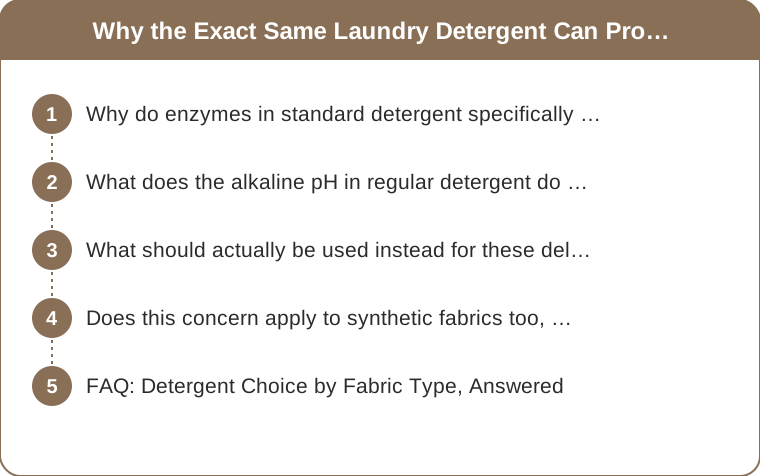
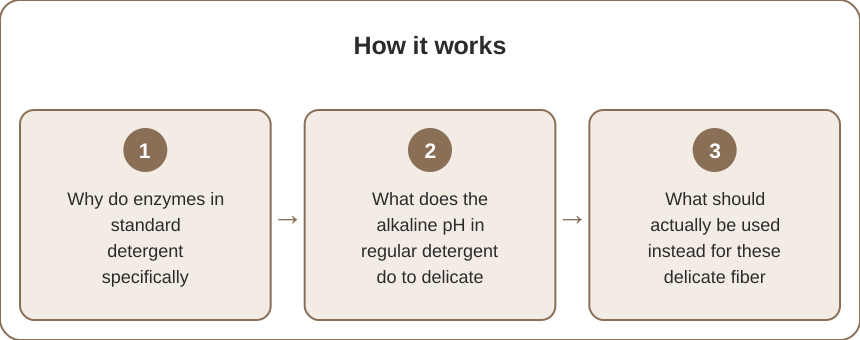
Why do enzymes in standard detergent specifically damage protein fibers like silk and wool?
Enzymes in many detergents are designed to break down protein-based stains (like food or blood), but silk and wool are themselves protein fibers, meaning the same enzymatic action that removes stains can also gradually degrade the fiber structure of these fabrics with repeated washing.
What does the alkaline pH in regular detergent do to delicate fabric specifically?
A higher alkaline pH is effective for general cleaning but can strip natural lanolin oils from wool and disrupt the protein structure of silk, leading to dullness, roughness, or loss of the fabric’s natural sheen and softness over repeated washes.

What should actually be used instead for these delicate fiber types?
A pH-neutral, enzyme-free detergent specifically formulated for delicates or wool preserves fiber structure and natural oils far better than standard detergent, and is worth the switch specifically for silk, wool, and cashmere pieces.
Does this concern apply to synthetic fabrics too, or just natural fibers?
Synthetic fabrics (polyester, nylon) are generally more chemically resistant to standard detergent formulations than natural protein fibers, which is part of why standard detergent works fine for most everyday synthetic and cotton items without the same degradation risk.
FAQ: Detergent Choice by Fabric Type, Answered
Is hand-washing always necessary for silk and wool, or can a gentle detergent alone solve this?
A gentle, fabric-appropriate detergent significantly reduces risk even in a machine’s delicate cycle, though hand-washing remains the lowest-risk option for particularly valuable or delicate pieces.
How can I tell if a detergent is actually safe for delicates from the label?
Look for ‘pH-neutral’ and ‘enzyme-free’ language specifically, rather than just a general ‘gentle’ or ‘delicate’ marketing label, which doesn’t always guarantee the actual formulation is fiber-safe.
Does water temperature matter as much as detergent choice for these fabrics?
Yes, cooler water further reduces stress on delicate protein fibers and should be paired with the right detergent choice, since temperature and detergent chemistry both affect fiber integrity together.
TL;DR:
- Standard detergent enzymes formulated for stain removal can degrade protein-based fibers
- Alkaline pH in regular detergent strips natural oils from wool and dulls silk over time
- pH-neutral, enzyme-free detergent protects delicate fiber structure far better
- Synthetic and cotton fabrics are more chemically resistant, which is why one detergent doesn’t fit all
Keep Reading
Style guidance in this article is general. Fit, fabric behaviour and care vary by garment and maker — always check the care label and size guide for the specific piece you own or are considering.