Why the Same Shoe Style Creases Differently Depending on Who Wears It
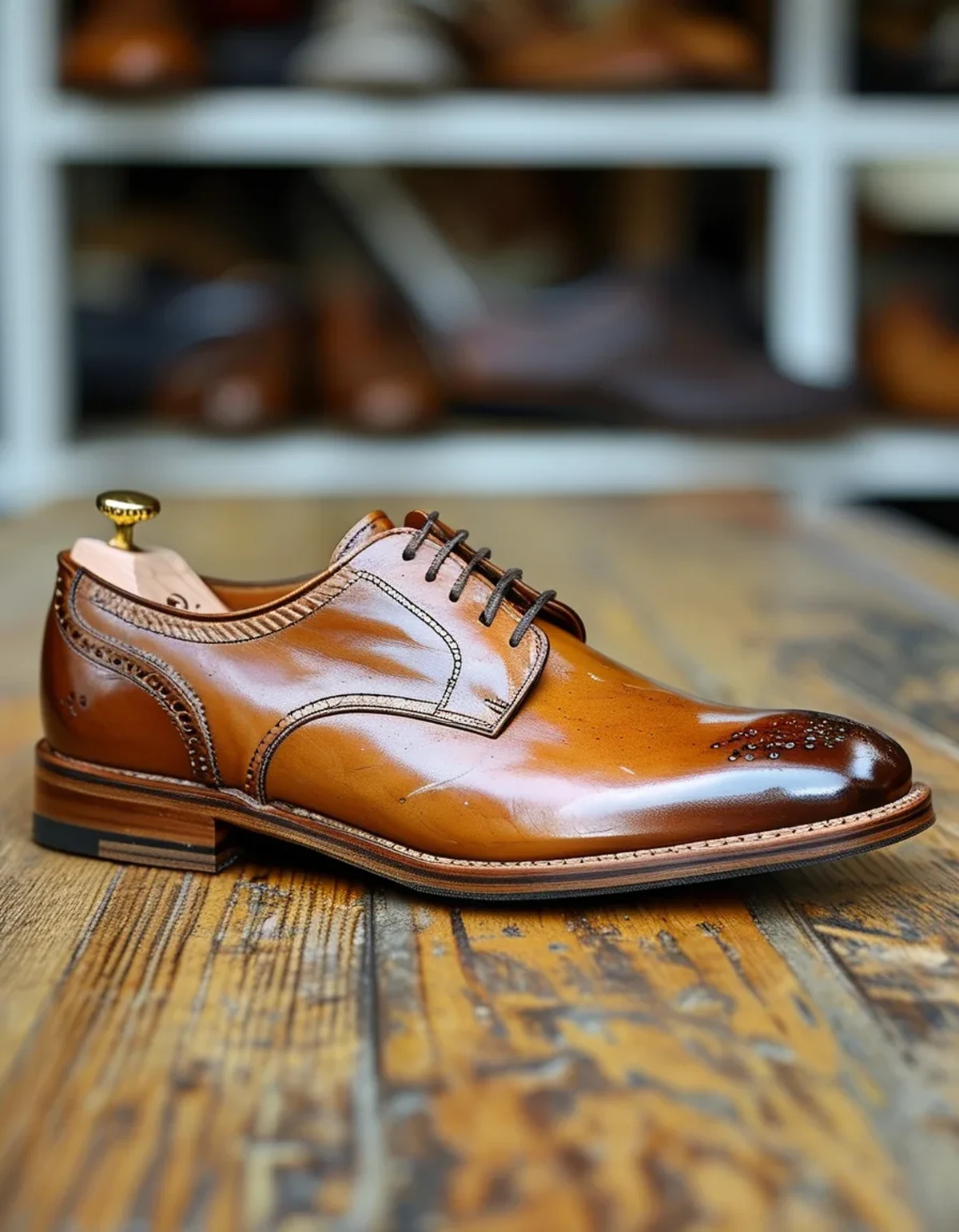
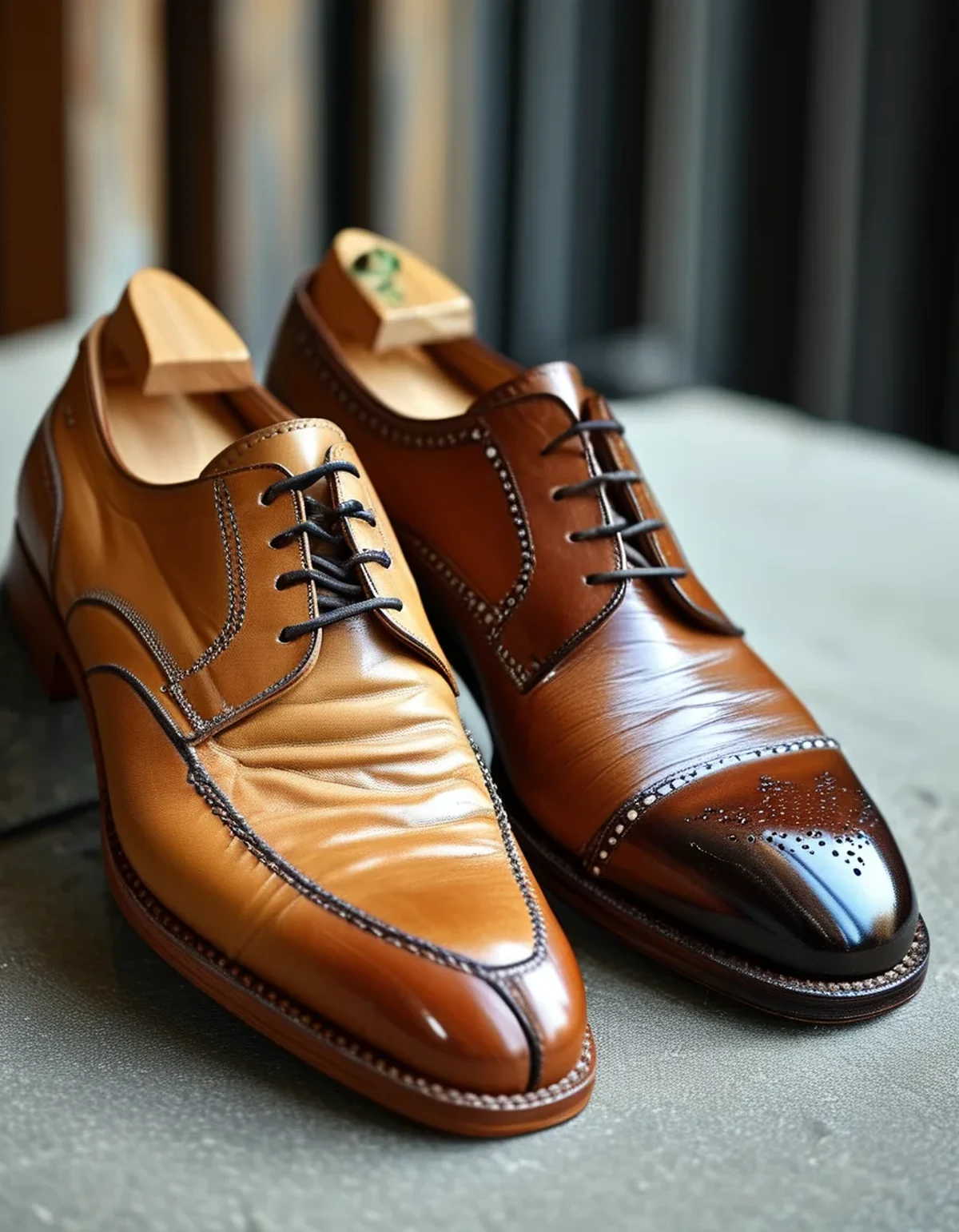
Quick Answer: Shoe creasing forms at the exact point where the upper material flexes most during each wearer’s specific gait, so factors like foot arch height, walking stride, and even sizing (a shoe slightly too big flexes and creases more than a properly fitted one) all shape where and how deeply a crease develops — two people in the identical shoe model can end up with noticeably different crease patterns.
A shoe crease isn’t a manufacturing flaw or bad luck — it’s closer to a signature of exactly how a specific person’s foot moves inside that shoe.
Why does foot shape affect where a shoe creases?
The upper material flexes most sharply at the point where the foot bends during each step, and that bend point shifts slightly based on arch height and toe shape — a higher arch or different toe-off point changes exactly where the leather or fabric folds repeatedly, which is where the crease eventually sets.
Does shoe fit change how much a shoe creases?
Yes, considerably — a shoe that’s slightly too large has extra material that flexes and folds more dramatically with each step, creating deeper, more pronounced creases faster than a properly fitted shoe where the upper moves less independently of the foot.
Can creasing be reduced with the right care?
Shoe trees inserted immediately after wearing help the material relax back toward its original shape before creases fully set, and this single habit does more to slow crease depth over time than most other care products or techniques combined.
Myth vs Fact: Shoe Creasing
Myth: Creasing means a shoe is low quality. Fact: Nearly all shoe uppers crease with wear regardless of quality — better leather tends to crease more smoothly rather than not at all, since some material flex is unavoidable with normal walking. Myth: Creasing is purely random and can’t be predicted. Fact: Fit, gait, and material type predictably determine crease location and depth, which is why the same shoe style creases so differently across different wearers.
FAQ: Shoe Creasing Questions, Answered
Does a shoe tree actually need to be used every single time?
Using one most of the time, especially right after wear when the material is still slightly warm and flexible, delivers most of the benefit even without perfect daily consistency.
Are some leather types more crease-resistant than others?
Full-grain, thicker leathers generally resist deep creasing longer than thin or heavily processed leather, though all leather eventually creases somewhat with regular wear.
Is deep creasing a sign a shoe needs replacing?
Not on its own — creasing is primarily cosmetic unless it’s accompanied by actual cracking or the leather losing structural integrity, which is a separate and more serious concern.
TL;DR:
- Creasing forms where the upper flexes most at each wearer’s specific foot bend point
- A too-large fit creates deeper, faster creasing than a properly sized shoe
- Shoe trees used right after wear meaningfully slow how quickly creases set
- Creasing alone, without cracking, is cosmetic rather than a sign of shoe failure
Understanding creasing as fit- and gait-driven, not a flaw, reframes it as a normal, largely predictable part of how a well-worn shoe ages.
Keep Reading
Style guidance in this article is general. Fit, fabric behaviour and care vary by garment and maker — always check the care label and size guide for the specific piece you own or are considering.