The 30-Wear Test: A Quick Gut Check Before Buying Anything New
Quick Answer: Before buying anything new, ask honestly whether you can picture wearing it at least 30 separate times in the next year — if the honest answer is no, or if you have to force a scenario to get there, it’s very likely to become closet clutter rather than a working piece.
Most closet regret doesn’t come from bad taste. It comes from skipping this one thirty-second question at checkout.

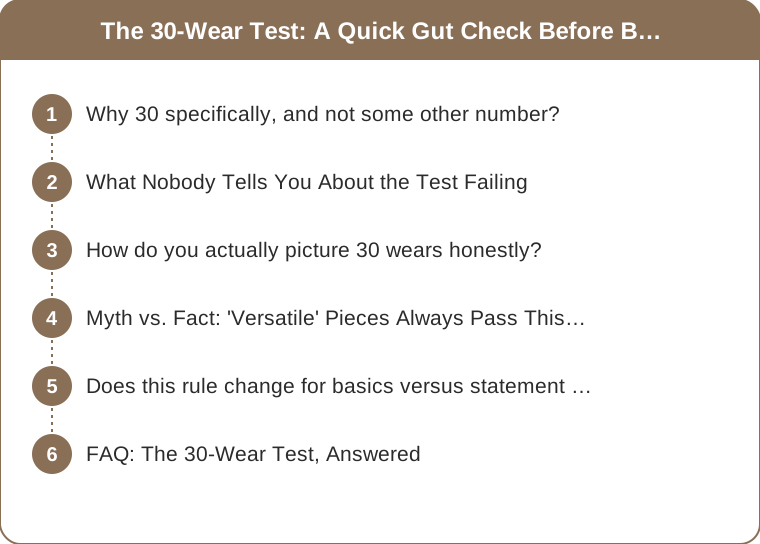
Why 30 specifically, and not some other number?
Thirty wears roughly translates to wearing something about twice a month for a year, which is a realistic bar for a piece to actually earn its closet space and its price. Fewer than that, and the cost-per-wear math (and the actual usefulness) starts looking a lot like the pieces already sitting unworn in the back of the closet.
What Nobody Tells You About the Test Failing
Failing the 30-wear test doesn’t automatically mean don’t buy it — some pieces (a wedding guest dress, a statement coat) are worth owning at low wear frequency because nothing else does the job. The real value of the test is catching the pieces that fail it and don’t have a good reason to be an exception.
How do you actually picture 30 wears honestly?
Name three or four specific, real occasions or outfits you’d actually wear it with in the next month, not a hypothetical future wardrobe. If you can only picture one imagined outfit that doesn’t exist yet in your closet, that’s a strong signal the piece is solving a fantasy problem, not a real one.

Myth vs. Fact: ‘Versatile’ Pieces Always Pass This Test
Myth: anything described as ‘versatile’ automatically clears 30 wears. Fact: a piece can be objectively versatile in theory — pairs with lots of things — and still fail the test if it doesn’t match your actual daily activities, climate, or existing wardrobe colors. Versatility on a hanger and versatility in your actual life are two different things.
Does this rule change for basics versus statement pieces?
Yes — basics should clear 30 wears easily and often far more, since their entire job is frequent, quiet use. Statement pieces get more leeway because their value is concentrated impact on fewer occasions, but they should still clear a lower, honest bar (closer to 8-10 wears) rather than being bought and worn once.
FAQ: The 30-Wear Test, Answered
Does the 30-wear test apply to expensive investment pieces too?
Yes, arguably more — an expensive piece failing the test is a bigger financial miss than an inexpensive one, so the honesty check matters more, not less, as price goes up.
What if I already own clothes that clearly fail this test in hindsight?
That’s useful information for future purchases, not a reason for guilt — use it to notice your own patterns (impulse colors, occasions you don’t actually have) going forward.
Is 30 wears realistic for occasion-only categories like formalwear?
No, and that’s fine — formalwear is a recognized exception category where lower wear counts are expected and normal.
TL;DR:
- Ask if you can name 30 realistic wears in the next year before buying
- Failing the test isn’t an automatic no — some categories are legitimate exceptions
- Picture specific real outfits, not a hypothetical future wardrobe
- Basics should clear this easily; statement pieces get a lower, separate bar
The test takes thirty seconds and catches most of the regret purchases before they ever make it out of the fitting room.
Keep Reading
Style guidance in this article is general. Fit, fabric behaviour and care vary by garment and maker — always check the care label and size guide for the specific piece you own or are considering.