Luxury Fabric Guide: Understanding Quality Materials
Quick Answer: The easiest way to spot a genuinely luxury fabric is to check its natural fiber source and feel — silk (from silkworm cocoons), cashmere (from the soft undercoat of Himalayan goats), merino wool (fine, breathable sheep’s wool), and quality linen (from flax fibers) all share a distinctive hand-feel and the ability to hold up — and even improve — over years of wear.
That sweater in the display case doesn’t just look different from the one on the discount rack. It moves differently, catches light differently, and if you’ve ever run your hand over both, it feels like an entirely different category of object.
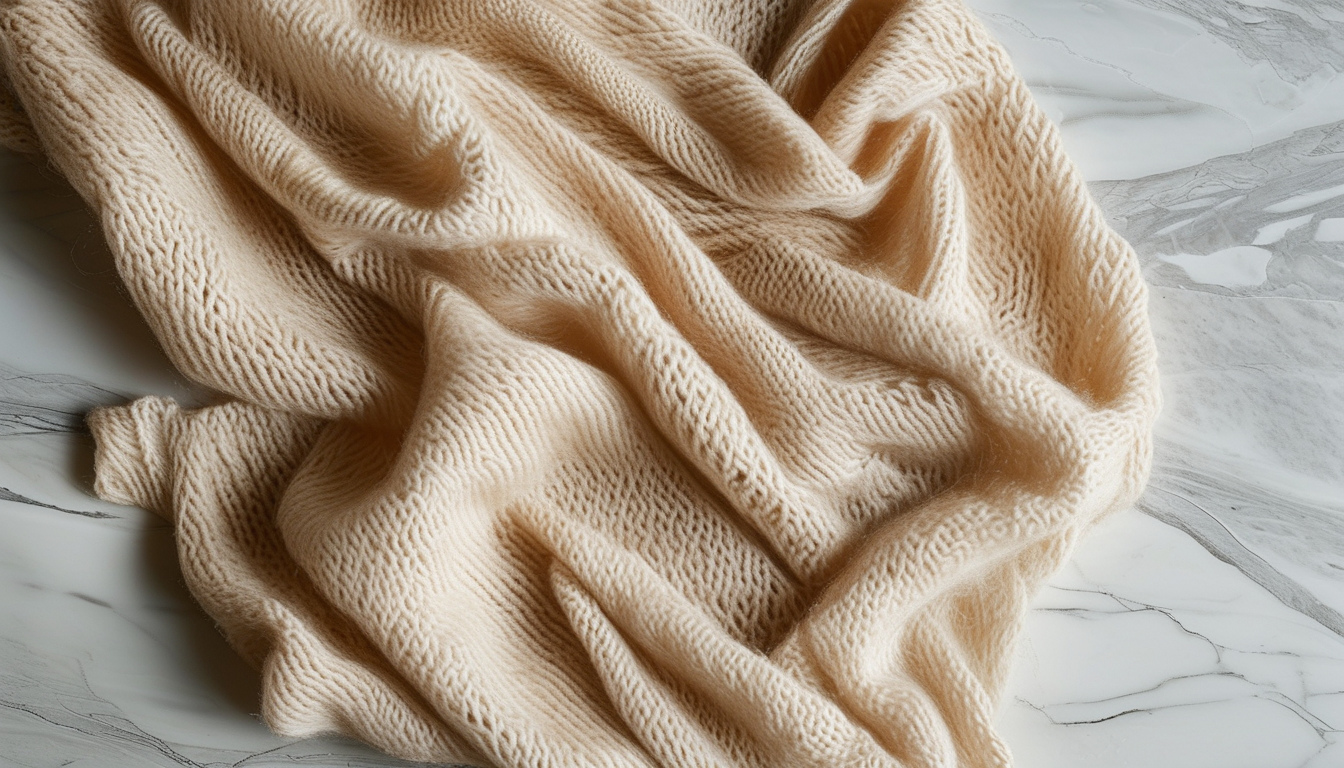
What actually makes a fabric “luxury” instead of just expensive?
It comes down to the fiber itself, not just the price tag. Natural, carefully sourced fibers behave in ways synthetics simply can’t replicate — they breathe, they drape, and they age gracefully instead of pilling or breaking down. Understanding fabrics is genuinely the key to appreciating luxury fashion, because once you know what you’re feeling for, you can tell the difference in seconds.
Quality materials aren’t just about how something looks or feels on day one. They’re an investment that pays off in longevity, holding their shape, color, and texture through years of wear that would flatten a lesser fabric within a season.
Why is silk called the queen of fabrics?
Silk earns that title honestly. It’s a natural protein fiber that offers unmatched elegance and comfort, produced by silkworms and woven into some of the smoothest, most luminous fabric available. Its natural sheen comes from the fiber’s unique triangular structure, which reflects light at different angles as the fabric moves.
Beyond the look, silk is remarkably good at temperature regulation — cool against skin in warm weather, insulating in cooler conditions — which is part of why it’s remained a luxury staple for centuries rather than fading into a passing trend.
What makes cashmere so soft — and so pricey?
Cashmere comes from the soft undercoat of Himalayan goats, harvested in small quantities during their natural molting season. Each goat produces only a small amount of usable fiber per year, which is a big part of why genuine cashmere carries a premium price compared to sheep’s wool.
That scarcity pairs with an incredibly fine fiber diameter, which is exactly what gives cashmere its signature softness against the skin. A well-made cashmere piece, cared for properly, can stay soft and structured for many years rather than pilling out after a single winter.
Why do people swear by merino wool?
Merino wool is breathable and temperature-regulating, which makes it one of the most versatile luxury fibers around. Unlike traditional wool, which can feel scratchy against skin, merino’s fine fiber diameter makes it soft enough to wear directly against the body without the itch factor people usually associate with wool.
It also naturally resists odor and wicks moisture, which is why you’ll find it in everything from tailored sweaters to high-end base layers — performance and elegance rarely overlap this cleanly in one material.
What makes linen a “buy it once” fabric?
High-quality linen improves with age and becomes more beautiful the more it’s worn and washed, which is almost the opposite of how most fabrics behave. Made from the fibers of the flax plant, linen starts out slightly crisp and softens gradually over time into something with real character.
Its natural texture and breathability also make it a favorite for warm-weather pieces, since the fiber structure allows air to move through the fabric far more freely than tightly woven synthetics.
How can you tell quality fabric apart from a good imitation?
Trust your hands as much as your eyes. Genuine luxury fabrics tend to feel substantial and move fluidly rather than feeling stiff, plasticky, or overly shiny in an artificial way. A quick scrunch test can help too — quality natural fibers like linen and silk tend to wrinkle or recover in characteristic ways that synthetics often don’t replicate convincingly.

Price is a clue, but not a perfect one — always check the fiber content label, since blends can dilute a fabric’s natural properties even when the price still suggests “luxury.”
Myth vs Fact: Luxury Fabrics
Myth: More expensive always means better quality. Fact: Brand markup and fiber quality aren’t always the same thing — a lesser-known label using genuine cashmere can outperform a famous name cutting corners with a wool blend.
Myth: Natural fibers are always high-maintenance. Fact: While some luxury fabrics need special care, many — like merino wool — are actually easier to maintain than people assume, thanks to natural odor and wrinkle resistance.
Myth: Synthetic blends can’t compete with natural fibers at all. Fact: Thoughtful blends can add helpful properties like stretch or durability, as long as the natural fiber content stays high enough to preserve the feel and breathability people are actually paying for.
FAQ: Luxury Fabrics
How do you care for luxury fabrics like silk and cashmere at home?
Gentle hand-washing or a delicate cycle in cold water, followed by laying flat to dry, works well for most silk and cashmere pieces. Always check the care label first, since some pieces are better left to professional dry cleaning.
Is merino wool itchy like regular wool?
No — merino’s much finer fiber diameter is what sets it apart from traditional wool and makes it comfortable directly against skin. That’s exactly why it’s become popular in base layers and everyday sweaters, not just outerwear.
Does linen wrinkle too easily to be practical?
Linen does wrinkle more than synthetic fabrics, but many people consider that part of its relaxed, lived-in character rather than a flaw. A quick steam or light iron on a slightly damp piece smooths it out easily when needed.
TL;DR:
- Luxury fabrics like silk, cashmere, merino wool, and linen are defined by their natural fiber source, not just price.
- Silk’s protein-fiber structure gives it unmatched sheen, softness, and temperature regulation.
- Cashmere’s softness and cost both trace back to the limited, fine undercoat fiber from Himalayan goats.
- Merino wool offers breathable, itch-free comfort that regular wool can’t match.
- Quality linen actually improves with age, making it one of fashion’s true “buy it once” fabrics.
Keep Reading
Style guidance in this article is general. Fit, fabric behaviour and care vary by garment and maker — always check the care label and size guide for the specific piece you own or are considering.