Luxurious Fabrics, Ranked by What They Actually Do For You
Quick Answer: The fabrics worth calling luxurious are silk, fine wool, cashmere, linen, and high-grade cotton — but they rank differently depending on what you need. Fine wool is the most useful across a year, silk photographs and drapes best, linen handles heat unmatched, and cashmere is the most fragile relative to its price. A luxurious fabric that wrinkles into a ruin by noon is not serving you, however good the fiber content reads.
Every guide to luxurious fabric describes the hand — how it feels between your fingers on a shop floor.
That is the least useful information available about a fabric. What matters is what it does at hour six, after a train, a meeting, and a chair.
What actually makes a fabric luxurious?
Not the fiber name. Four properties, and fiber is only a proxy for them.
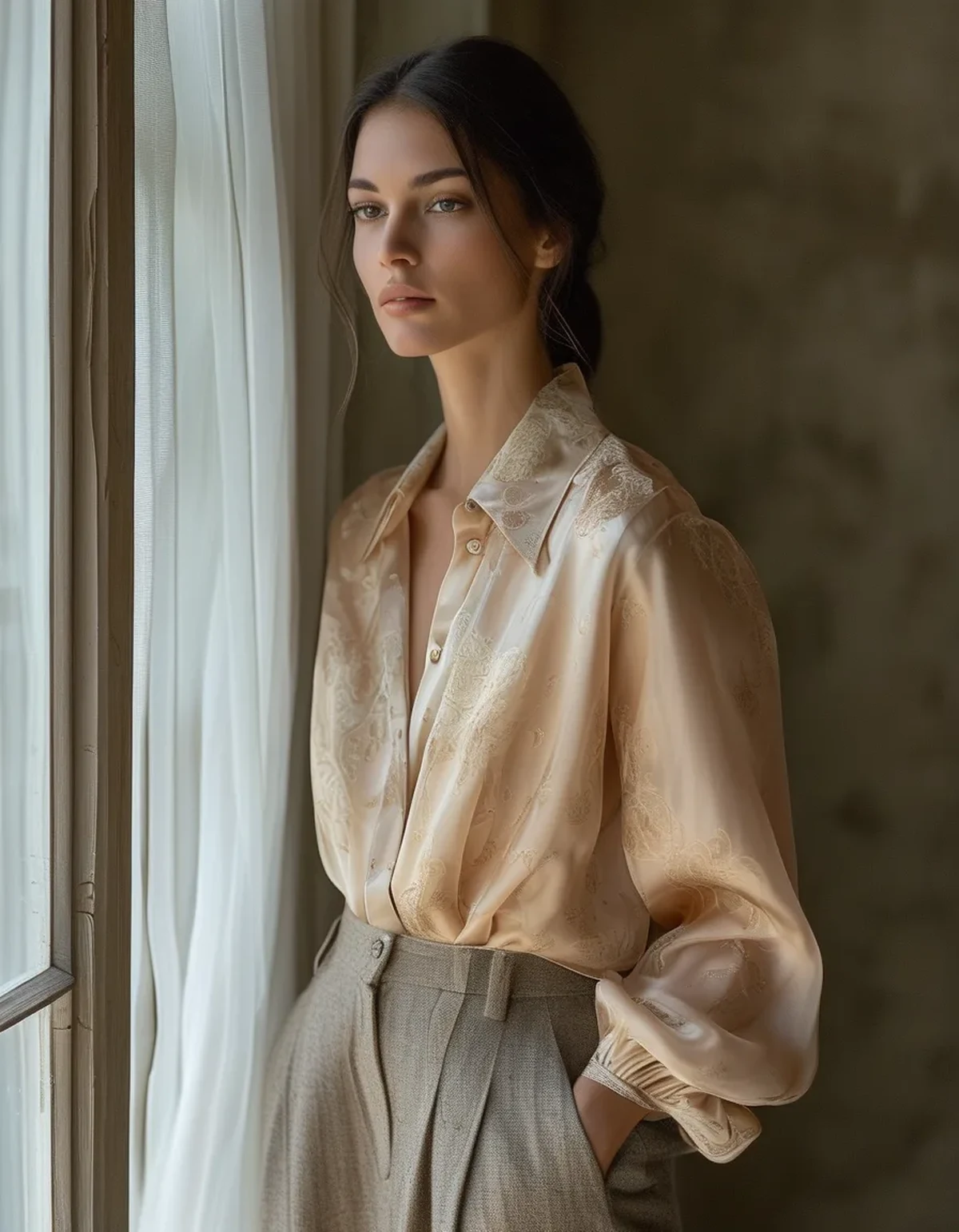
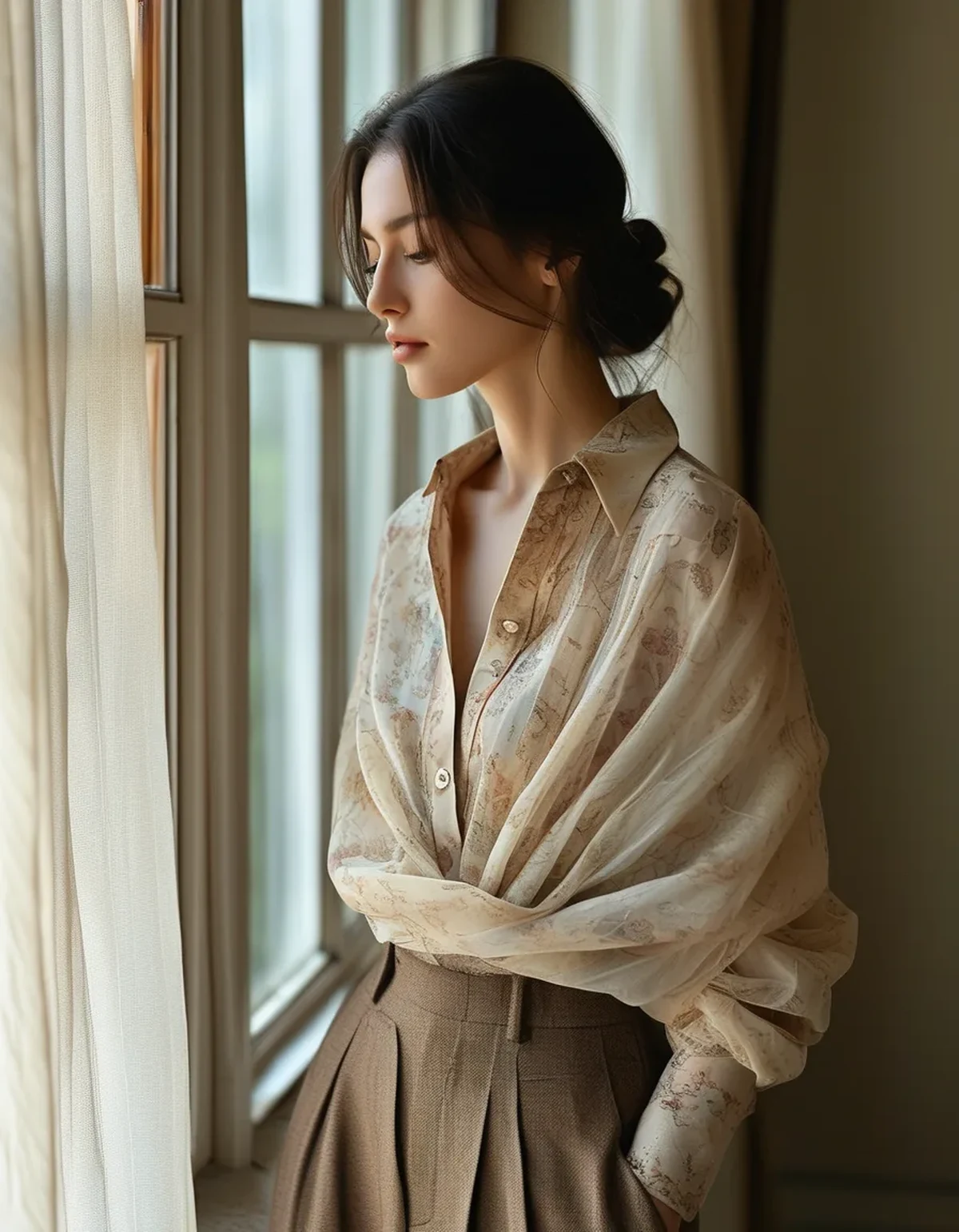
Drape. How the fabric falls under its own weight. This is the single most visible marker of quality at a distance and the reason a cheap dress reads cheap in a photograph before anyone touches it. Heavy silk, fine wool, and good viscose drape; stiff polyester does not.
Recovery. Whether it returns to shape after being sat in, folded, or held. Fine wool has exceptional recovery — the single most underrated property in the category. Linen has almost none, which is a feature rather than a fault.
Breathability and thermal behaviour. Natural fibers manage moisture and temperature in ways most synthetics still do not. This is what makes an expensive garment comfortable for a full day rather than only for an hour.
Longevity of appearance. How it looks at wear fifty. Pilling, thinning, and sheen loss are where price differences actually show, and none of them are visible at purchase.
The fiber-quality distinction that matters more than the fiber: a long-staple cotton and a short-staple cotton are the same fiber and completely different fabrics. Staple length, yarn count, and finishing decide more than the name on the label. A superb cotton shirt outperforms a mediocre silk one in every respect.
The ranking, by what you actually need
1. Fine wool — the most useful across a year.
Merino and other fine wools resist wrinkles, recover shape, regulate temperature in both directions, and resist odor. A fine wool trouser looks composed after a flight in a way nothing else does.
The trade: it needs care, it is vulnerable to moths, and low-quality wool is genuinely itchy. Look for a micron count under 19 for anything worn near skin.
2. Silk — the best drape and the best in photographs.
Nothing moves like silk. Its fluidity is why it reads expensive on camera and why a silk slip dress outperforms far more constructed garments visually.
The trade: water marks, perspiration damage, and sun fading. Silk is a fabric that asks something of you. Momme weight is the number to know — 16 to 19 momme is substantial; anything under 12 is thin and will disappoint.
3. Linen — unmatched in heat, and honest about it.
The most breathable common fabric and the only one that genuinely improves with washing. In real heat, nothing else competes.
The trade: it wrinkles immediately and permanently within a wear. This is not a flaw to be managed but the aesthetic itself — a linen garment pressed to crispness is missing the point, and anyone who cannot make peace with that should buy a linen-cotton blend instead.
4. High-grade cotton — the most underestimated.
Long-staple cottons in a high yarn count produce shirting that outperforms most silk for daily wear. Durable, washable, breathable, and quietly excellent.
The trade: it wrinkles more than wool and holds less shape. Poplin holds crispness; twill drapes softer; sateen has a subtle sheen — the weave decides more than the price.
5. Cashmere — the most fragile per dollar.
Extraordinary warmth for its weight and a hand nothing matches. It also pills, stretches, and thins faster than its price suggests.
The trade: quality varies enormously and is nearly impossible to judge in a shop. Two-ply, tightly spun, from longer fibers is what you want and almost never what a label tells you. A dense, heavy cashmere that resists the stretch of a gentle tug is the better bet.
Myth vs Fact: Luxury Fabric Edition
Myth: Natural fibers are always better than synthetics. Fact: A high-grade viscose or a good Tencel drapes beautifully and outperforms mediocre silk for daily wear. A small percentage of elastane in wool trousers improves recovery substantially. Fiber purity is not a quality guarantee.
Myth: The price tells you the quality. Fact: Price reflects brand, margin, and production location at least as much as material. A well-made mid-price wool coat can outlast a designer one made from a lighter, looser cloth.
Myth: If it feels soft, it is good. Fact: Softness is often a chemical finish that washes out within a few launderings. The garment you take home is frequently softer than the one you will own in a month. Check density and recovery instead — hold it up to light and see how much passes through.
Myth: Dry clean only means high quality. Fact: It often means a manufacturer declining liability. Many fine wools and silks hand wash perfectly well, and over-dry-cleaning is itself a cause of wear.
Myth: Cashmere is the top of the hierarchy. Fact: Cashmere is the most marketed, not the most capable. Fine wool beats it on durability, versatility, and value for anything worn regularly.
How do I judge fabric in a shop in thirty seconds?
Scrunch and release. Take a handful, squeeze for five seconds, let go. Wool springs back almost entirely. Good cotton mostly. Linen holds every line. A synthetic that stays creased is a bad synthetic.
Hold it to the light. Density is quality. If you can see clearly through a fabric that is not meant to be sheer, the yarn is thin and it will wear through.
Let it hang from one hand. Watch how it falls. Good drape is immediately visible and cannot be faked by finishing.
Check the seams from the inside. Generous seam allowance, close stitching, and finished edges signal a manufacturer who was not economizing. The inside of a garment is more honest than the outside.
Look for the weight in grams per square metre if listed. More brands publish it now. A 200gsm wool trouser and a 130gsm one are different garments regardless of identical labels.
Read the care label as information, not instruction. It tells you what the garment will demand of you. A dry-clean-only silk blouse you wear weekly is a running cost, and that is worth knowing before you decide.
FAQ: Luxurious Fabric Questions, Answered
Which fabric gives the biggest upgrade for the money?
Fine wool trousers. The difference between a wool trouser and a synthetic one is visible from across a room, and mid-price options are widely available. It is the single most cost-effective step up in most wardrobes.
Is silk worth it if I sweat?
Silk is damaged by perspiration and shows marks readily. For a body that runs warm, a silk overlayer works and a silk shirt against skin does not. Fine wool handles the same job far more forgivingly.
How do I stop cashmere pilling?
You cannot stop it, only slow it. Buy denser two-ply knits, wear the same piece less often on consecutive days, and de-pill with a comb rather than a shaver. Pilling is friction, so it appears first where your arms meet your body.
Are blends always worse?
No. A wool-silk blend, a linen-cotton blend, or wool with a few percent elastane each solve a specific weakness of the pure fiber. The blends worth avoiding are the ones diluting a good fiber with cheap polyester to lower cost.
TL;DR: Judge behaviour, not fiber name.
- Drape, recovery, breathability, and longevity are the four properties. Fiber is only a proxy for them.
- Fine wool is the most useful fabric across a year and the best value upgrade in most wardrobes.
- Silk gives the best drape and photographs best, and it demands care in return. Look for 16 to 19 momme.
- Linen is unbeatable in heat and wrinkles permanently. That is the aesthetic, not a defect.
- Cashmere is the most fragile per dollar. Dense, two-ply, and heavy is what you want.
- Scrunch it, hold it to the light, let it hang. Thirty seconds tells you more than the label.
Do the scrunch test on three things you already own tonight. You will immediately know which of them was worth what you paid.
Keep Reading
Style guidance in this article is general. Fit, fabric behaviour and care vary by garment and maker — always check the care label and size guide for the specific piece you own or are considering.