How to Care for Linen So It Lasts (and Looks Better With Age)
Quick Answer: Wash linen cold or lukewarm on a gentle cycle with mild detergent, skip the bleach, and air dry it flat or on the line instead of tumble drying on high. Treat stains with cool water right away, store it folded or on wide hangers in breathable space, and your linen will actually get softer and better-looking every year instead of wearing out.
You finally bought that beautiful linen shirt, wore it once, and now you’re standing over the washing machine wondering if you’re about to ruin it. Fair worry — linen has a reputation for being fussy, but it’s really just particular. Get the care routine right and this is the one fabric in your closet that improves with every single wash instead of degrading.
Why does linen get better with age?
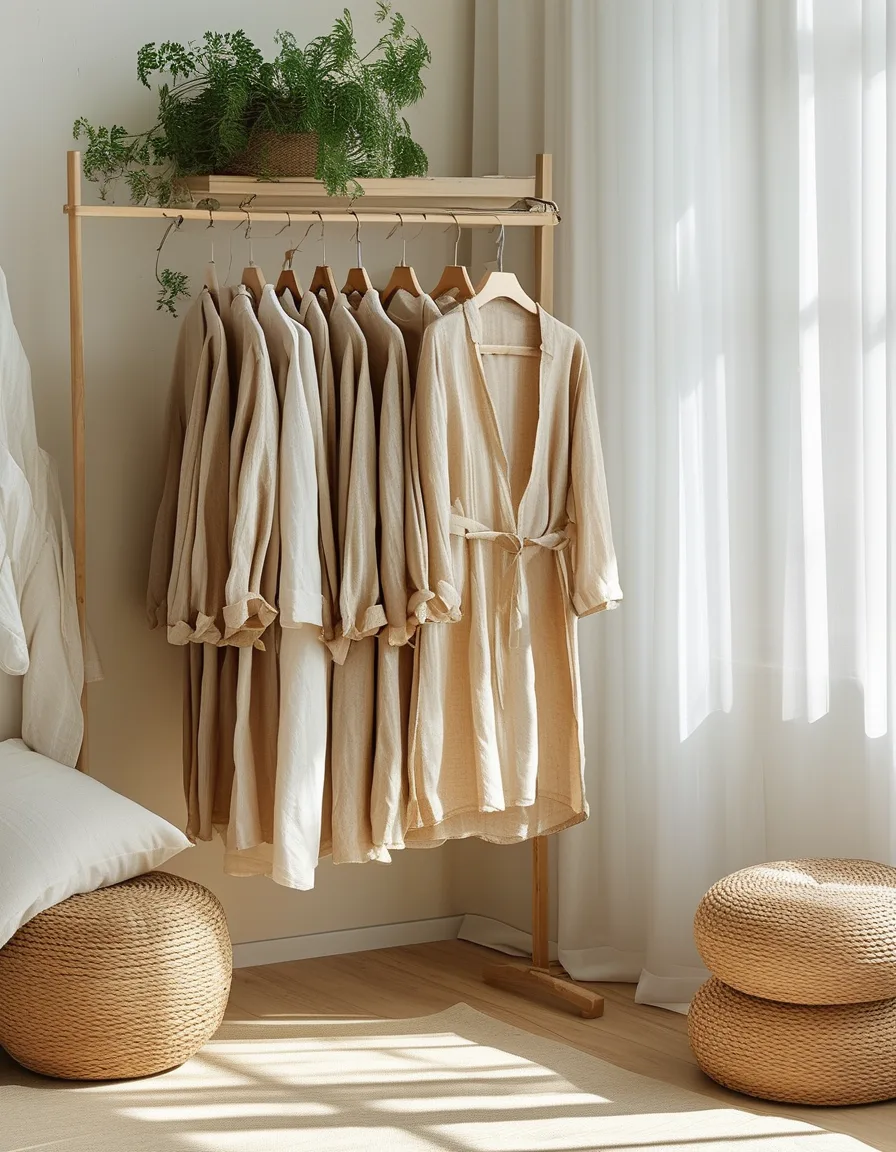
Here’s the part that makes linen worth the extra care: flax fibers are actually stronger than cotton fibers, and they soften naturally every time you wash them. A linen piece cared for well develops a lived-in, relaxed elegance that a brand-new garment simply can’t fake — you can’t buy that look off the rack, you can only earn it. Think of it less like maintaining a garment and more like aging a good bottle of wine; time and gentle handling are doing the work for you.
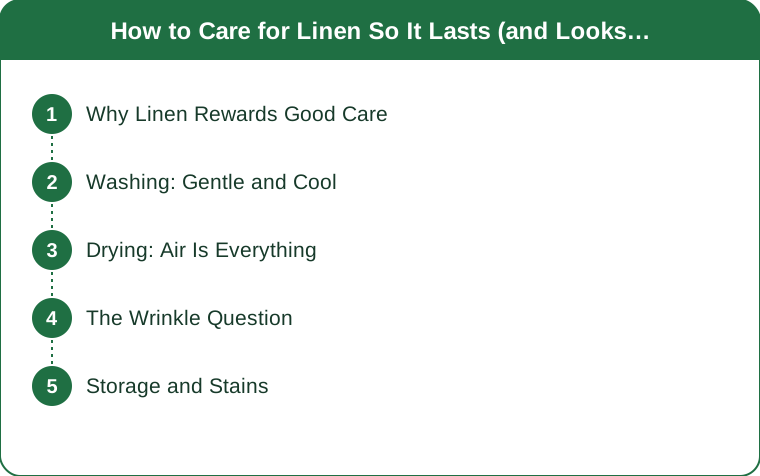
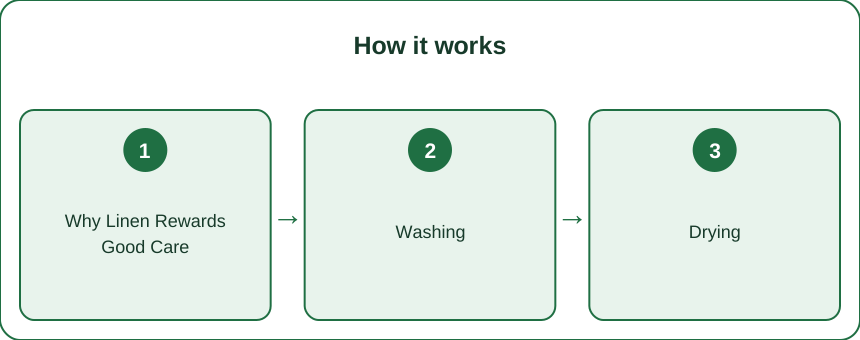
How should you wash linen?
Machine wash cold or lukewarm on the gentle cycle, using a mild detergent and skipping the bleach entirely. Wash linen with similarly lightweight pieces — pair it with heavy zippers or raw denim in the same load and you’re basically inviting snags and pilling. Here’s the twist most people get wrong: overwashing isn’t actually the enemy — harsh washing is. You can wash linen often as long as you’re gentle about it; it’s the hot water and rough cycles that shorten its life, not frequency.

What’s the best way to dry linen?
Air is everything here. Line dry or lay the piece flat, smoothing out the seams while it’s still damp, since linen dries quickly and holds whatever shape it dries in — which is exactly why smoothing matters. Tumble drying on high heat is the fastest way to age linen prematurely; if you genuinely must use the dryer, keep it on low heat and pull the garment out while it’s still a little damp rather than bone dry.
Should you iron out linen wrinkles?
Short answer: not always, and that’s the point. Linen wrinkles, and that’s part of its charm rather than a flaw to fight. For a polished look, iron while the fabric is still slightly damp on a medium-high setting, or use a garment steamer instead. For everyday wear, though, just embrace the rumple — a slightly wrinkled linen shirt reads as relaxed luxury, not sloppy, which honestly takes the pressure off your entire morning routine.
How do you store linen and treat stains?
Store linen folded or draped over wide hangers in a breathable space — never sealed in plastic, which traps moisture and can lead to mildew or set-in creasing. If a stain happens, treat it immediately with cool water; heat is what sets a stain permanently into the fibers, so reaching for hot water to “get it out fast” almost always backfires. A little promptness here saves your favorite pieces from becoming permanent souvenirs of that one spilled iced coffee.
5 Mistakes Everyone Makes With Linen
- Washing it with heavy fabrics. Tossing a delicate linen top in with jeans and zippers is asking for snags — keep linen loads light and lightweight.
- Reaching for hot water on stains. It feels productive in the moment, but heat locks the stain in instead of lifting it out. Cool water first, always.
- Tumble drying on high “just this once.” Linen remembers. High heat breaks down the fibers faster than almost anything else you can do to it.
- Storing it in sealed plastic bins. It feels protective, but linen needs to breathe; plastic traps humidity and invites mildew and musty smells.
- Fighting every wrinkle with an iron. This one surprises people — over-ironing on high heat can actually be harder on the fibers than just letting some wrinkles be. Save the iron for when you actually need the polish.
FAQ
Does washing linen a lot ruin it?
No — frequency isn’t the problem, harshness is. You can wash linen regularly as long as you keep the water cool to lukewarm, use a gentle cycle, and skip the bleach; it’s rough handling and high heat that wear it out, not the number of washes.
Can you put linen in the dryer?
You can, but it’s not ideal. Tumble drying on high heat is the fastest way to age linen prematurely, so if you need the dryer, use low heat and pull the piece out while it’s still slightly damp rather than running a full cycle.
Why does my linen look stiff instead of soft?
Stiffness usually comes from harsh washing, high heat, or hard water buildup rather than the fabric itself. Switch to a gentle cool-water cycle with mild detergent, air dry it, and you should notice it softening again within a few washes.
TL;DR:
- Wash linen cold or lukewarm on gentle, with mild detergent and no bleach — overwashing isn’t the risk, harsh washing is.
- Air dry flat or on the line and smooth seams while damp; avoid high-heat tumble drying.
- Wrinkles are linen’s natural charm — iron damp on medium-high or steam only when you want a polished look.
- Treat stains with cool water immediately; heat sets stains permanently.
- Store folded or on wide hangers in breathable space, never sealed plastic.
- Cared for gently, linen gets softer and more beautiful every year instead of wearing out.
Keep Reading
Style guidance in this article is general. Fit, fabric behaviour and care vary by garment and maker — always check the care label and size guide for the specific piece you own or are considering.