How to Store Handbags So They Don't Lose Their Shape
Quick Answer: Stuffing a handbag with acid-free tissue paper or a dedicated bag pillow before storing it upright, rather than laying it flat or hanging it by the strap, is the single change that best preserves shape over months of storage — hanging by the strap in particular stretches handles and straps permanently over time.
Handbag structure is more fragile in storage than in daily use, which is a common blind spot even for people who otherwise care carefully for their bags.
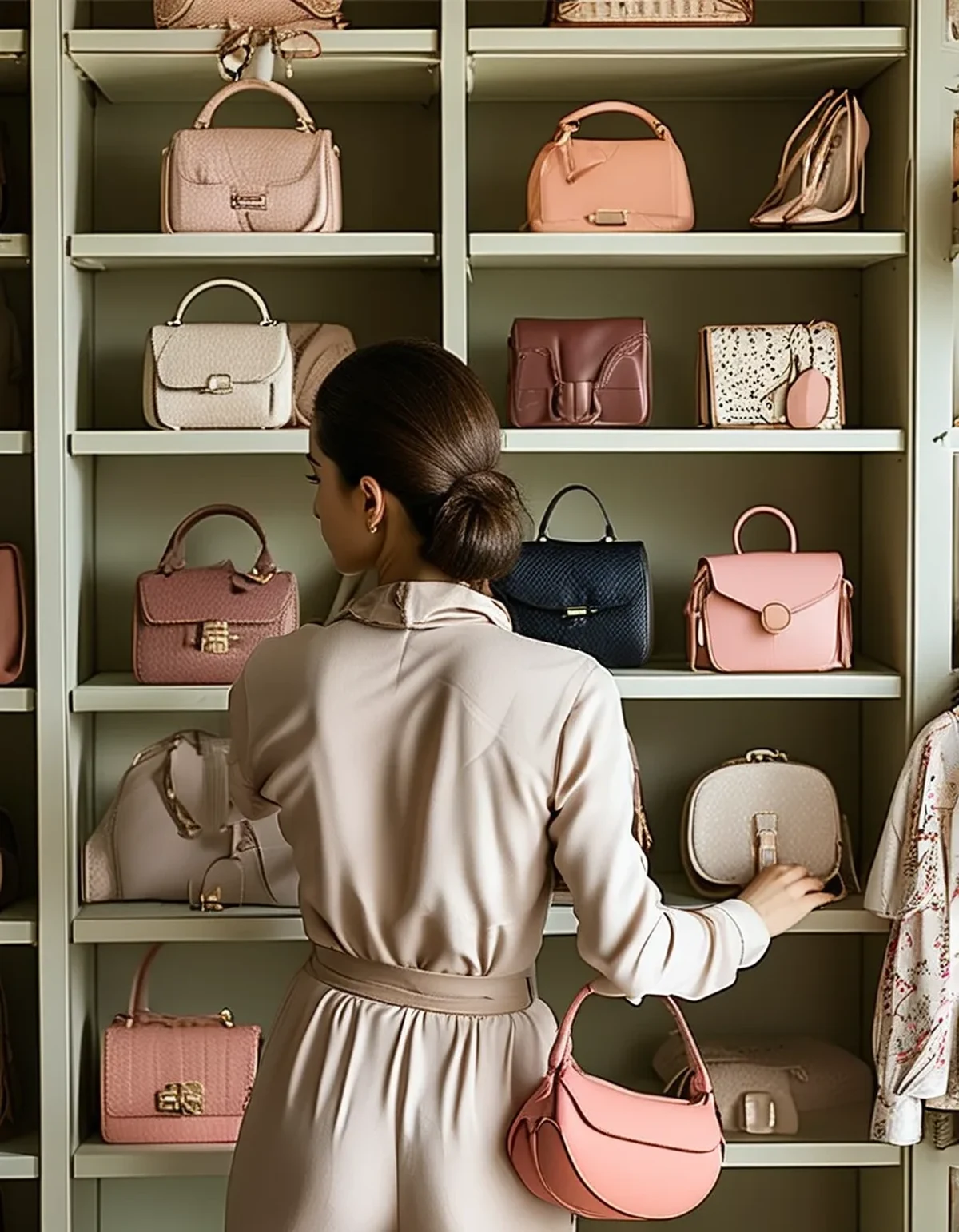
Why does hanging a bag by its strap or handle cause long-term damage?
Sustained weight and gravity pulling on a strap or handle attachment point over weeks or months of storage gradually stretches the material and can weaken the stitching at the attachment point, which is a slow, cumulative form of damage that’s hard to reverse once it’s set in.
This applies even to bags that feel sturdy when worn daily, since daily wear distributes weight differently and for shorter durations than continuous storage tension does.
What does stuffing a bag actually accomplish structurally?
Acid-free tissue paper or a dedicated bag pillow fills the interior enough to keep the bag’s exterior panels from collapsing inward, which is what causes the creasing and slouching that develops when an empty bag sits unsupported for an extended period.
Avoid regular newspaper for stuffing specifically, since newsprint ink can transfer onto light-colored interior lining, and cheap paper can yellow and become brittle over time in a way acid-free tissue doesn’t.
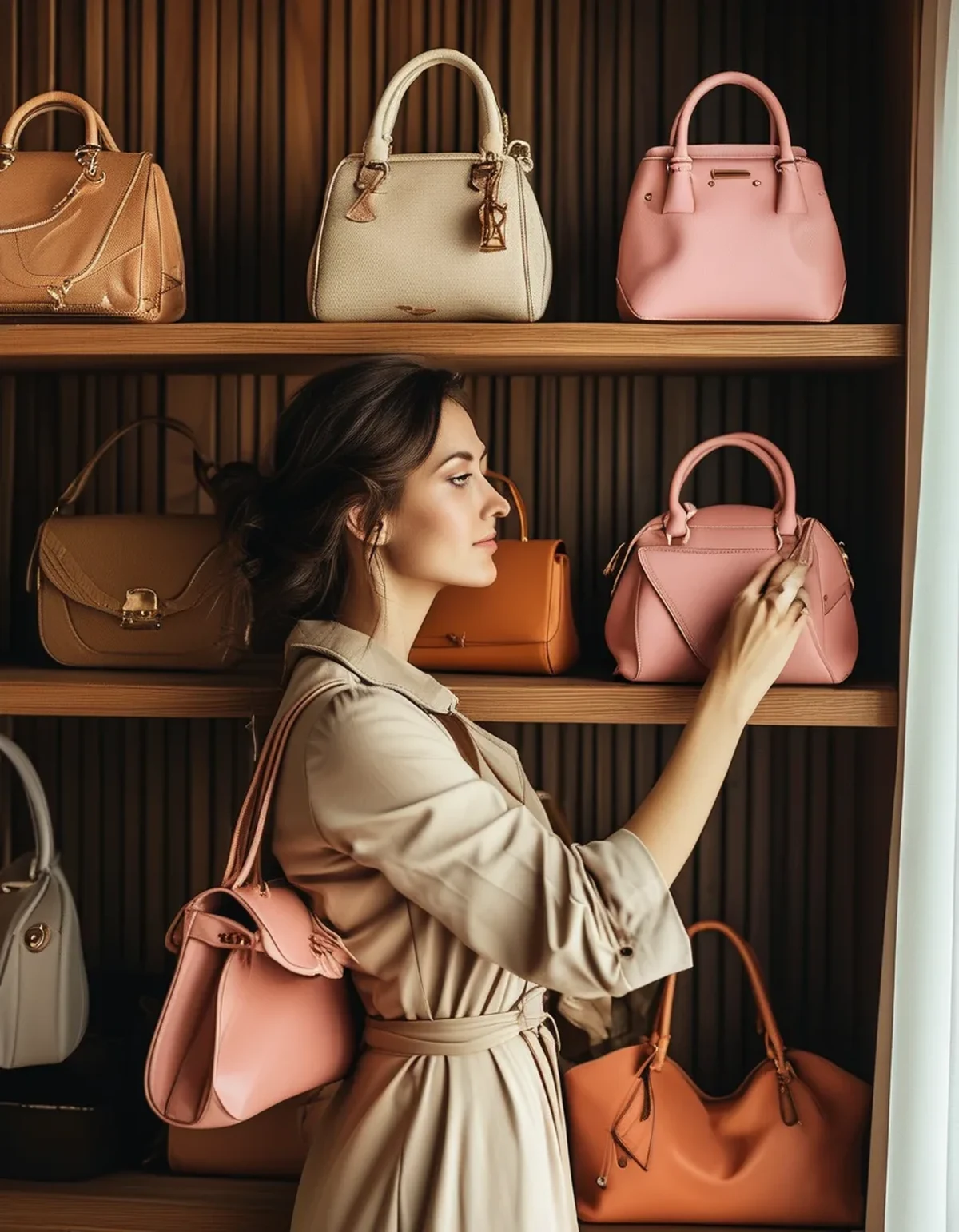
Does the material of the bag change how it should be stored?
Structured leather and faux-leather bags benefit most from stuffing and upright storage since they hold creases readily, while softer, unstructured fabric totes are more forgiving and less prone to permanent shape loss even with less careful storage.
Exotic or delicate materials (suede, some embossed leathers) benefit from their own breathable dust bag specifically, since these materials are more prone to surface damage from dust and light exposure than they are to structural collapse.
What Nobody Tells You About Dust Bags and Direct Light
Storing a bag in direct sunlight, even indirectly through a window near a closet, can cause visible fading or discoloration over months, which is easy to overlook since most closets don’t get obviously bright light but still accumulate enough incidental exposure over a long storage period.
A breathable dust bag (cotton, not plastic) protects against both light exposure and dust buildup while still allowing the material to breathe, which matters especially for leather, since sealed plastic storage can trap moisture and encourage mold growth over time.
FAQ: Handbag Storage, Answered
Is it better to store handbags standing upright or lying flat?
Upright, when stuffed properly to hold shape, is generally better for structured bags, since lying flat for extended periods can create its own pressure creases on the bottom panel over time.
How often should stored bags be checked or rotated?
Checking every few months, even for bags not in regular rotation, catches early signs of mold, pest damage, or material stress before they become serious, and gently reshaping the stuffing at that time helps maintain structure.
Should handbags be stored in a climate-controlled space?
Extreme humidity and temperature swings accelerate leather drying, cracking, and mold risk, so a stable, moderate-temperature closet is preferable to an attic, basement, or garage for longer-term bag storage.
TL;DR:
- Stuff bags with acid-free tissue paper before storing to prevent panels from collapsing and creasing
- Avoid hanging bags by the strap for extended periods — it stretches material and stitching over time
- Structured leather bags need more careful shape support than soft, unstructured fabric totes
- Use a breathable cotton dust bag, not sealed plastic, to protect against light, dust, and moisture
Keep Reading
Style guidance in this article is general. Fit, fabric behaviour and care vary by garment and maker — always check the care label and size guide for the specific piece you own or are considering.