How to Elevate Your Everyday Outfits
Looking put-together every single day doesn’t take a huge wardrobe or hours of effort — just a handful of smart, repeatable tricks. The people you admire for always looking elevated aren’t necessarily wearing anything complicated; they’ve simply mastered the small moves that lift an ordinary outfit into something intentional. Here’s how to elevate your everyday outfits with ease, so you look effortlessly polished no matter what’s actually in your closet.
Quick Answer: Elevate your everyday outfits by getting the fit right first, adding one polished element to otherwise simple pieces, finishing with a few thoughtful details, and sticking to a cohesive color palette. None of it requires more clothes — just a handful of habits worn with confidence.
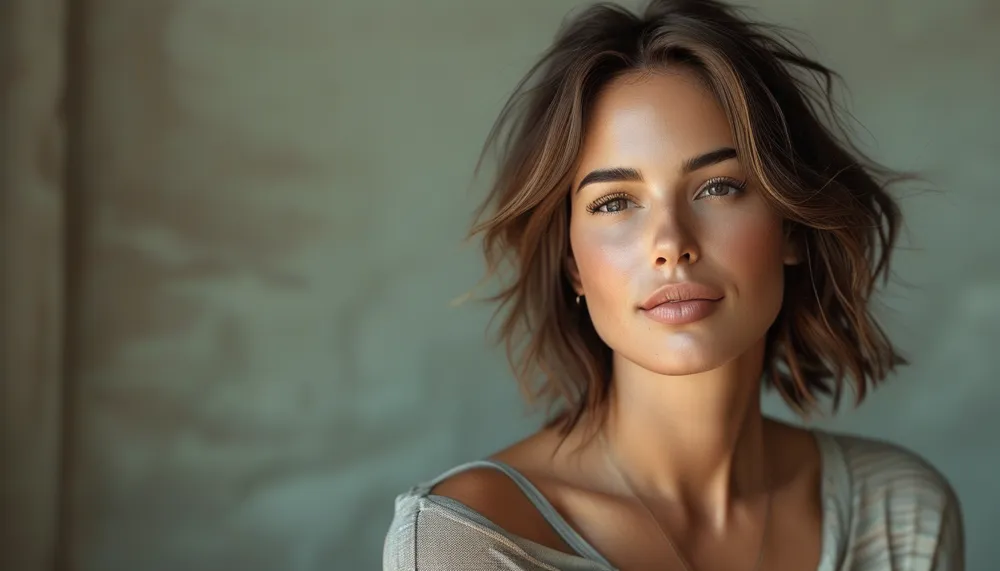
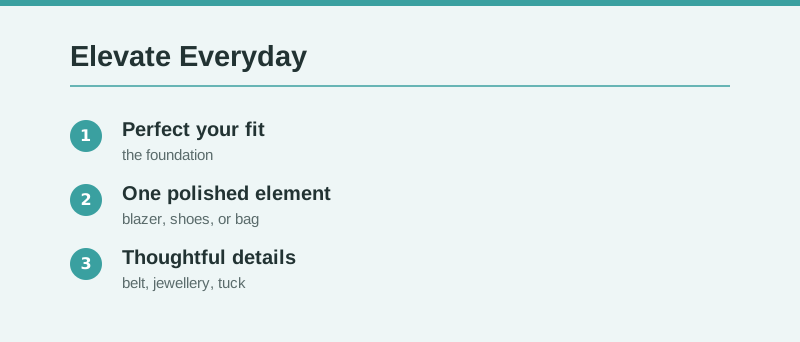
What’s the single biggest thing that makes an outfit look expensive?
Fit, more than fabric, price, or brand, is the single biggest thing that elevates an outfit. Well-fitting clothes look considered no matter what they actually cost, while ill-fitting pieces undermine even genuinely lovely ones. A $30 shirt that’s tailored to your shoulders will read as more expensive than a $300 one swimming on your frame.
Getting there doesn’t require a full closet overhaul. Start with your most-worn basics — a couple of tees, one blazer, your go-to jeans — and get those tailored or replaced with better-fitting versions first. That short list is quietly doing most of the work behind every effortlessly stylish person you’ve ever envied.
How do you elevate a basic outfit without buying a lot of new clothes?
The fastest way to elevate a simple outfit is to add exactly one polished element — a tailored blazer, quality shoes, or a structured bag — and leave everything else as-is. One sharp element against relaxed basics reads as deliberate style, not an accident. That single considered piece is enough to lift jeans and a plain tee into something that looks like an actual outfit rather than “whatever was clean.”
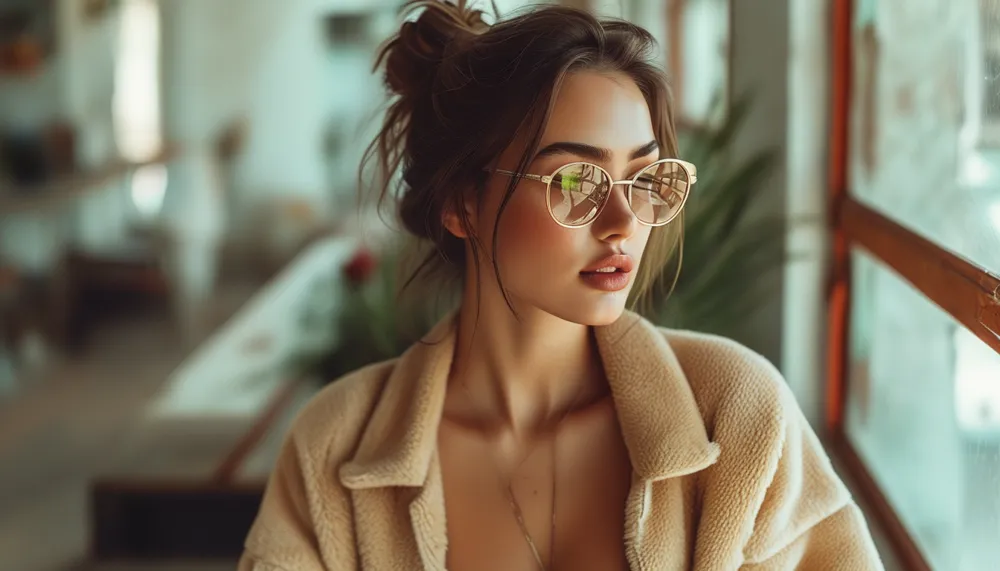
The contrast is what does the work here: one structured piece against two or three relaxed ones. You don’t need to touch the rest of the outfit — just add that one polished touch and the whole look levels up in about thirty seconds.
Do small details really make a visible difference in how put-together you look?
Yes — thoughtful details signal effort and polish even in the simplest outfit, and they’re often the difference people notice without being able to say why. Small finishing touches are what separate a plain outfit from a polished one. A nice belt, one or two pieces of simple jewelry, a neatly tucked-in top, or sleeves rolled just so all send the same signal: this person put thought into this, even if it only took an extra minute.
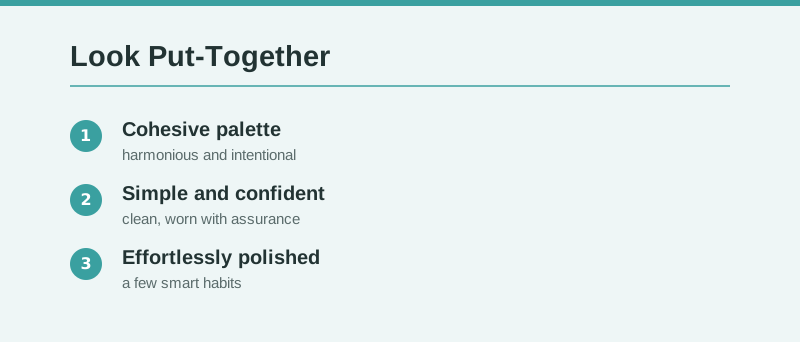
A few low-effort details worth building into your routine:
- Tuck in (even a half-tuck) instead of leaving everything untucked by default
- Add one small jewelry moment — a watch, simple earrings, or a single necklace
- Swap a plain belt for one with a bit of texture or a nicer buckle
- Roll sleeves neatly rather than pushing them up haphazardly
Does sticking to a color palette actually make getting dressed easier?
Dressing in a cohesive palette instantly makes an outfit look more intentional, and it has the side benefit of making mornings faster. A few coordinating neutrals plus one accent color means everything you own works together instead of fighting for attention. Tonal dressing, or a simple two-color scheme, reads as effortlessly chic even when you grabbed the first two things in your closet.
Building your everyday wardrobe around a cohesive palette means even a quickly assembled outfit looks pulled-together, because the colors were already designed to work in harmony before you even got dressed.
What Nobody Tells You
- The most “expensive-looking” outfits are usually the cheapest to assemble — it’s fit and one polished piece doing the work, not the price tag.
- Confidence is genuinely elevating on its own; the exact same outfit looks better worn with ease than worn while fidgeting and second-guessing it.
- Simplicity beats complexity almost every time — a fussy, over-styled outfit usually reads as trying too hard, while three well-chosen pieces read as effortless.
- Details take seconds but get noticed for hours — a tuck, a rolled sleeve, or one piece of jewelry is a tiny time investment with an outsized payoff.
FAQ
How can I look more put-together without buying new clothes?
Focus on fit first — get your most-worn basics tailored or swap out anything that doesn’t fit well. Then add one polished element (blazer, better shoes, a structured bag) to your existing simple outfits rather than shopping for anything new.
What’s one quick trick to make a basic outfit look elevated?
Add exactly one structured or polished piece to an otherwise relaxed outfit — a blazer over a tee, or a nicer bag with jeans. The contrast between one sharp element and the rest of your casual basics is what reads as intentional style.
Do I need a big wardrobe to look consistently stylish?
No — a smaller wardrobe built around a cohesive color palette and a few well-fitting basics will look more consistently put-together than a large, mismatched one. Fewer, better-coordinating pieces make getting dressed faster and the results more reliable.
TL;DR:
- Fit matters more than price — well-fitting basics look elevated regardless of what they cost.
- Add exactly one polished element (blazer, shoes, bag) to simple outfits for an instant lift.
- Small details like a tuck, rolled sleeves, or simple jewelry signal effort without extra time.
- A cohesive color palette makes even a quickly thrown-together outfit look intentional.
- Simplicity worn with confidence beats a fussy, over-styled outfit every time.
Keep Reading
Style guidance in this article is general. Fit, fabric behaviour and care vary by garment and maker — always check the care label and size guide for the specific piece you own or are considering.