The Dry Cleaning Bag Mistake That's Quietly Damaging Clothes You're Trying to Protect
Quick Answer: Dry cleaning plastic bags are meant for transport, not storage — trapped inside sealed plastic, garments can’t breathe, which traps residual cleaning chemicals against the fabric and can encourage yellowing, musty odor, and even mildew in humid climates, all avoidable by removing the plastic the same day.

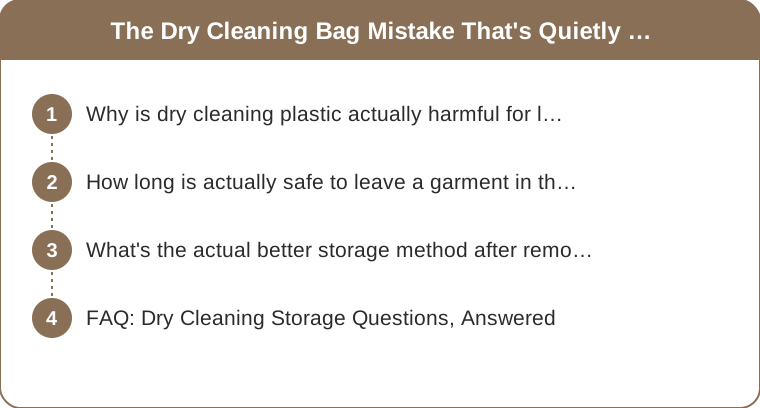
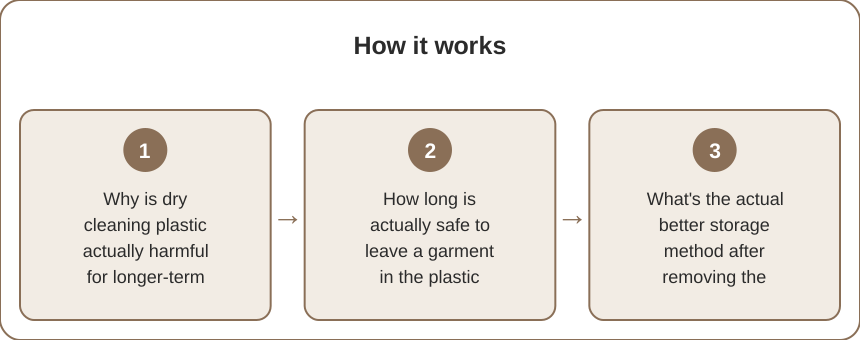
Why is dry cleaning plastic actually harmful for longer-term storage?
Plastic traps moisture and residual dry cleaning solvent against the fabric, and without airflow, both can interact with fibers over time in ways that cause yellowing (especially on whites and light colors), musty odor buildup, and in humid conditions, an increased risk of mildew. The plastic’s job was protecting the garment during the trip home — it was never designed for indefinite closet storage.
How long is actually safe to leave a garment in the plastic before it matters?
Removing the plastic within a day or two of getting home is generally recommended — a garment doesn’t need to come out the instant you walk in the door, but leaving it sealed for weeks or months is where the real risk of yellowing and odor buildup accumulates.

What’s the actual better storage method after removing the plastic?
A breathable garment bag (cotton or a specifically designed breathable fabric, not plastic) protects against dust while still allowing airflow, which is the balance that plastic fails to strike. For items not needing dust protection, simply hanging them uncovered in a closet with reasonable airflow is sufficient.
FAQ: Dry Cleaning Storage Questions, Answered
Does this apply to all fabric types equally?
Silk and other delicate natural fibers are generally most sensitive to trapped moisture and chemical residue, though the general recommendation to remove plastic applies across nearly all fabric types.
Is it fine to reuse the same dry cleaning plastic for transport later?
Yes, if it’s being used for its intended short-term transport purpose again — the concern is specifically about long-term storage, not brief reuse for moving a garment.
TL;DR:
- Dry cleaning plastic is built for transport, not storage, and traps moisture and solvent residue
- Removing it within a day or two prevents most of the yellowing and odor risk
- A breathable garment bag protects against dust without the same trapped-moisture problem
- Delicate natural fibers like silk are especially sensitive to this mistake
The plastic did its job getting the garment home safely — keeping it on past that point works against the very thing it was meant to protect.
Keep Reading
Style guidance in this article is general. Fit, fabric behaviour and care vary by garment and maker — always check the care label and size guide for the specific piece you own or are considering.